
Working with Architects in Residential Projects
- elaheea77
- Dec 29, 2025
- 3 min read
A Practical Guide to Effective Design & Planning
Working with Architects in Residential Projects
In residential construction, successful outcomes begin long before construction starts.Working effectively with architects during the design and planning phase plays a critical role in ensuring that a residential project is functional, compliant, and buildable.
Whether the project involves a custom home, renovation, or redevelopment, early collaboration between homeowners, architects, and builders helps align design intent with practical execution.
This article explains how architects contribute to residential projects and how effective coordination improves results.
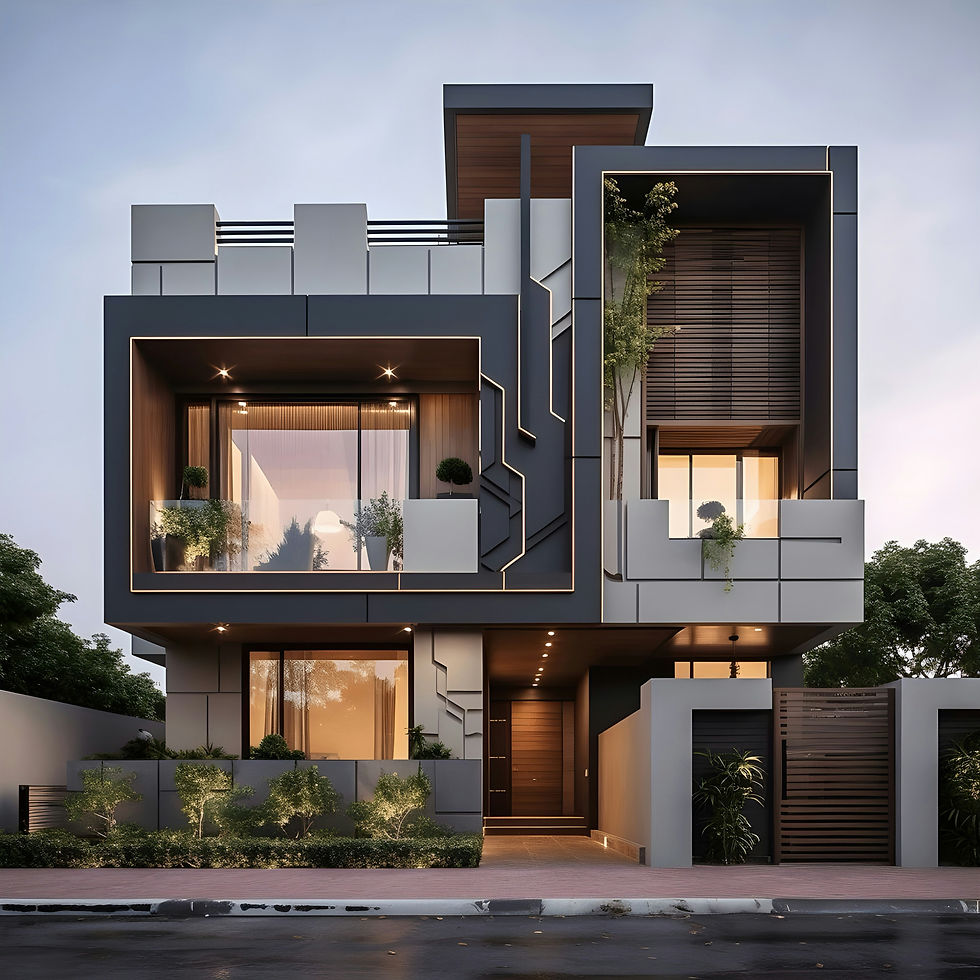
1. The Role of an Architect in Residential Construction
Architects are responsible for translating ideas, requirements, and site conditions into a cohesive design.
In residential projects, their role typically includes:
Developing conceptual layouts and spatial planning
Ensuring compliance with zoning and building regulations
Coordinating structural and engineering requirements
Preparing drawings for permit submission
Architectural design balances aesthetics, functionality, and regulatory constraints—creating a framework that guides the entire construction process.
2. Early Collaboration Improves Design Outcomes
Engaging architects early in the planning phase allows key decisions to be made before construction costs escalate.
Early collaboration helps:
Identify zoning and site limitations
Resolve layout challenges efficiently
Align design expectations with realistic budgets
Reduce redesigns during permit review
When architects and builders collaborate from the outset, designs are more likely to reflect real-world construction constraints.
3. Aligning Design with Budget & Construct
One of the most common challenges in residential projects is misalignment between design vision and construction feasibility.
Effective collaboration ensures:
Material selections align with budget expectations
Structural solutions are practical to build
Construction methods are considered during design
Builders provide input on constructability, sequencing, and cost implications—helping architects refine designs without compromising intent.
4. Navigating Zoning, Permits & Municipal Reviews
Residential projects in Ontario and across Canada must comply with local zoning bylaws and building codes.
Architects play a key role by:
Preparing drawings that meet municipal requirements
Responding to plan review comments
Adjusting designs to address zoning feedback
Clear documentation and coordination during this phase can significantly reduce approval timelines and prevent delays.
5. Communication During the Construction Phase
Architect involvement often continues during construction to clarify design intent and respond to site conditions.
This may include:
Reviewing shop drawings
Addressing unforeseen site challenges
Coordinating minor design adjustments
Ongoing communication between architects and builders ensures design integrity is maintained while adapting to real-world conditions.
6. Common Challenges & How to Avoid Them
Residential projects benefit most when expectations and responsibilities are clearly defined.
Common challenges include:
Overly complex designs without construction input
Incomplete drawings at permit stage
Delayed responses during construction
These issues can be minimized through regular coordination meetings, clear documentation, and defined communication channels.
7. Why Integrated Design & Build Coordination Matters
Projects benefit when architects and builders operate as a coordinated team rather than separate entities.
Integrated collaboration results in:
Streamlined decision-making
Reduced project risk
Improved schedule and cost control
Consistent execution from design to completion
This approach leads to residential projects that are not only well-designed but also efficiently built.

Conclusion
Working with architects in residential projects , Working effectively with architects is a foundational element of successful residential construction. Early collaboration, clear communication, and alignment between design and construction teams help ensure that projects move smoothly from planning to completion.
By integrating architectural expertise with construction experience, residential projects achieve better outcomes—both in design quality and long-term performance.
Comments